What is the difference between Offpage and Onpage Search Engine Optimization? Off-page SEO can often be harder to grasp and optimize, as it involves managing all signals outside your website that make up its success. Link building, social media engagement and Google My Business optimization are all part of an off-page signal that can increase search engine rankings and visibility. Unlinked mentions, when other sites reference your content without linking back, are another off-page signal that can enhance rankings and visibility.
20 Myths About Onpage Seo: Busted
On-Page Search Engine Optimization (Onsite SEO) is a technique for optimizing a website that involves optimizing its content as well as HTML on each page to increase its search engine visibility. This includes selecting keywords and optimizing meta descriptions. It also involves linking between pages, ensuring there is no duplicate content, and structuring websites to allow search engines to navigate around their domain.
Social Media Posts for Brand Awareness
The Best Kept Secrets About Search Engine Optimization
If you want your on-page SEO to be effective, follow best practices for writing website pages. Avoid keyword stuffing as this practice of including lots of keywords to boost a webpage's ranking potential can be disorienting to users and may result in search engines penalizing it.
Other off-page SEO techniques include building backlinks with relevant websites, while prioritizing the quality of links over quantity. Do-follow links should be used whenever possible as they will pass on link juice to your content and help it rank higher in SERPs. Furthermore, document sharing sites like Scribd or SlideShare may provide greater exposure.
Miley Cyrus And Search Engine Optimization: 10 Surprising Things They Have In Common
Off-page SEO is a term that refers to strategies that are not part of your website. For example, link building and social marketing. These tactics can help you improve your website's reputation and its ranking on Google's search results pages. Off-page optimization should be a key element of any digital marketing campaign.
Backlinks are a popular off-page SEO technique and are a key factor in determining the search engine optimization rankings for websites. According to research conducted by Backlinko, having high-quality and relevant backlinks on a site plays an integral part in its SERP standings.
10 Things Most People Don't Know About Onpage Seo
Other off-page SEO strategies include social media marketing, guest blogging, unlinked brand mentions and content promotion. All these activities help your brand build an impressive internet presence while simultaneously building trust between its users and itself.
Email newsletters are another off-page SEO tactic that can drive organic traffic to your site and improve SERP rankings. For maximum effectiveness, they must be carefully designed and distributed at the right time - ideally, weekly or monthly - with information about your products, services, and events, plus a call to act that drives visitors to your website.
7 Things About Onpage Seo You'll Kick Yourself For Not Knowing
When discussing off-page SEO, many people focus solely on backlinks; however, other activities can have a substantial impact on how Google views your website or web pages - these activities could include social media posts, local search results, brand mentions or review-generating strategies - that all have an effect on trustworthiness and authority of your site - two critical components for ranking SEO results.
Backlinks are links that indicate to search engines other websites find your content engaging. There are two kinds of backlinks, do-follow and no-follow; do-follow links pass authority from one site to the linked page while no-follow links do not transfer any link juice, which may negatively impact off-page SEO strategies.
Ask Me Anything: 10 Answers To Your Questions About Onpage Seo
Off-page SEO can also include content marketing. This involves creating and distributing unique, engaging and interesting material to attract links from websites. Producing infographics with government data can attract links from publishers as an off-page SEO strategy that focuses both on user experience and valuable material to drive traffic to your website.
Off-page SEO also includes optimizing your business listings on popular search engines and directory websites. It is important to make sure that they are complete, accurate, and optimized with relevant keyword. It is also advised to encourage customers to leave reviews on third-party platforms such as Yelp; this activity can have a beneficial effect on SEO rankings; just be wary not to abuse this platform's reviews section!
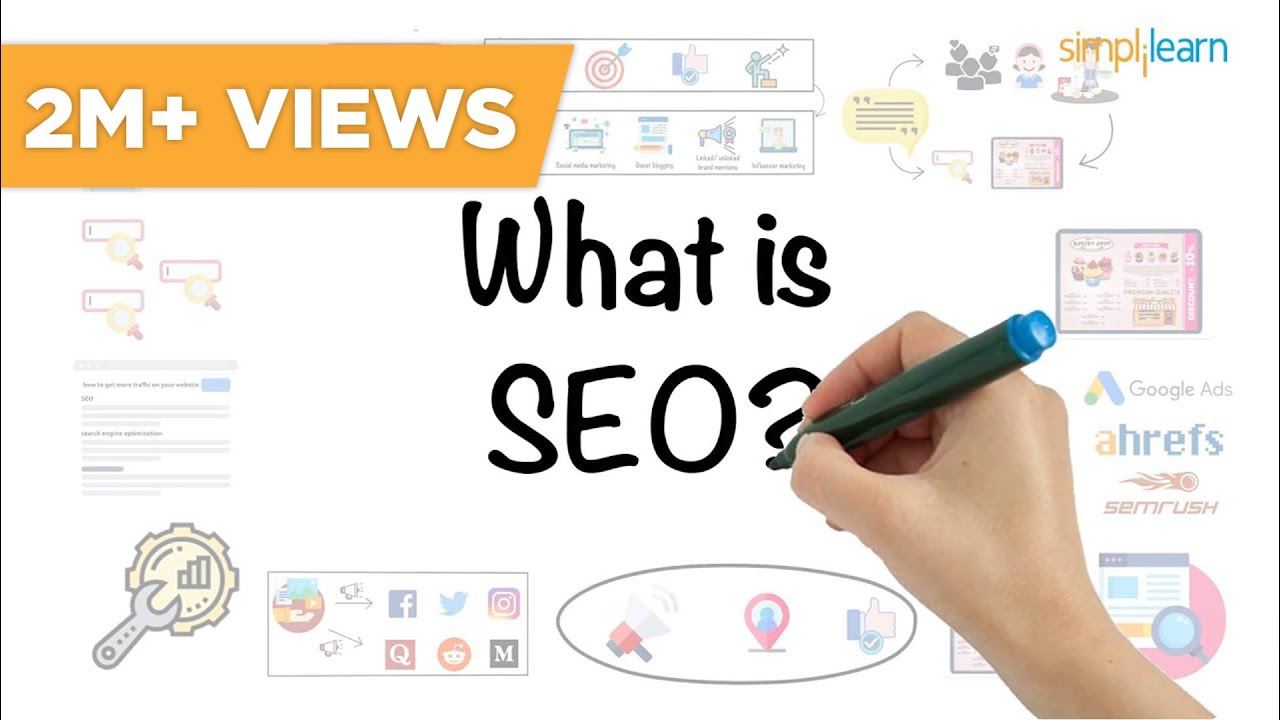
Why We Love Offpage Seo (And You Should, Too!)
Content marketing is the process of creating, publishing, and promoting engaging, valuable content to attract and retain clients. Content marketing is a vital part of off-page search engine optimization as it increases traffic to your website, while increasing incoming backlinks and page-rank authority. These are key ranking factors in off-page rankings. Content marketing can be done in many ways, including blogging, guest posting, and social media promotion. However the key to success is quality over quantity.
Off-page SEO is the term used to describe external factors that are not under your control and which influence the search engine rankings of your website, such as social media promotion, link building and influencer marketing. As more effort goes https://www.seotrafficbuilders.com/what-is-offpage-work into improving these factors, the higher will be your search engine rankings and website's search engine visibility.
10 Quick Tips About Onpage Seo
Off-page SEO includes writing press releases to increase brand exposure and public interest for your products or services, building brand visibility, quality backlinks and increasing online reputation and credibility. Other activities for off-page SEO may include local search optimization, social media marketing and Google Business Pages (formerly Google My Business). It's important to optimize on-page performance before moving into these areas. Search engines care about their users and reward companies who provide a positive experience.